

Soil: The Living Foundation of a Garden
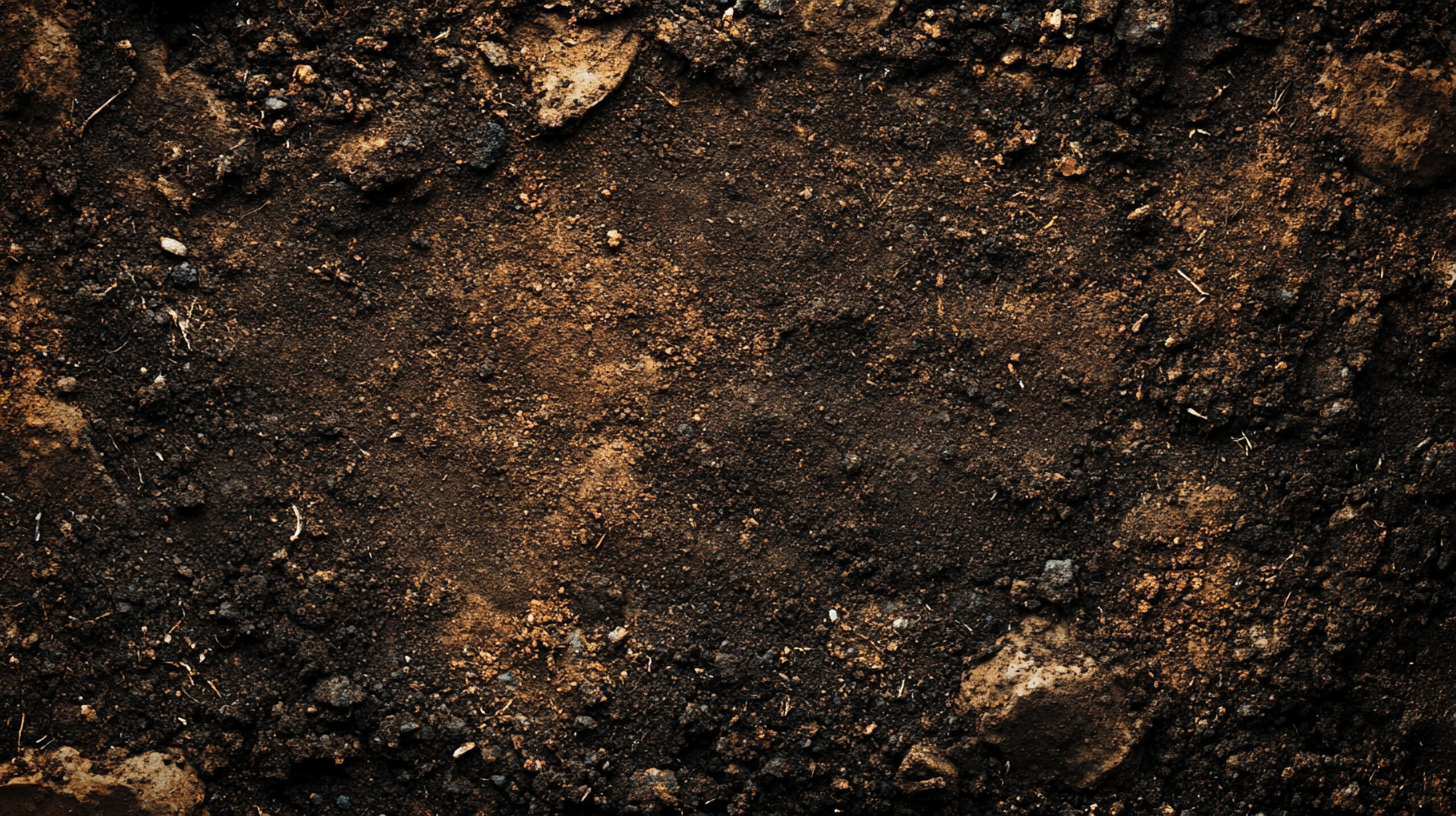
Beneath the surface of every garden lies a complex and living world — the soil biome. Often described as the lifeblood of the soil, it is made up of microorganisms working quietly to sustain plant life, recycle nutrients, and maintain structure. This unseen layer defines everything above it. When the soil is alive, the garden becomes more resilient, balanced, and capable of sustaining itself over time.
In a more considered approach to garden design, the focus begins below the surface. Rather than imposing solutions, the aim is to understand existing conditions and work in harmony with them — supporting biodiversity and allowing the garden to evolve as a living system.
Microorganisms form close relationships with plant roots, improving nutrient uptake and supporting healthy growth. When these systems are disrupted — through compaction or excessive intervention — the balance of the garden is gradually weakened. Supporting the soil does not require complexity, but awareness. Minimising disturbance, adding organic matter, and planting with diversity all help strengthen this hidden ecosystem.
Even the presence of certain wild plants can offer guidance. What is often seen as a weed may instead be an indicator — quietly revealing the condition of the soil. Over time, these small actions allow the soil to regenerate, creating a garden that feels natural, balanced, and enduring.
Soil is rarely the focus of attention, yet it is where true transformation begins.
The plants that appear naturally in a garden are not accidental. They respond directly to the conditions below the surface, often revealing more than any test. Learning to recognise these signals allows for a more intuitive and considered approach to design.
Structure and compaction, restriction within the soil:
- Dandelion (Taraxacum officinale) & horsetail (Equisetum arvense) often appear in compacted soil, their deep roots helping to open it up
- Pineapple weed (Matricaria discoidea) and creeping buttercup (Ranunculus repens) are common in heavily trodden areas
Moisture and drainage
- Horsetail indicates waterlogged conditions
- Sedges and rushes suggest consistently damp soil
- Creeping thistle (Cirsium arvense) often appears in heavier, moisture-retentive ground
In these cases, working with the conditions is often more effective than trying to force change.
Texture and fertility
- Chickweed (Stellaria media) suggests fertile, balanced soil
- Corn spurrey (Spergula arvensis) indicates light, free-draining, low-nutrient soil
- Clover (Trifolium spp.) appears in poorer soils and helps improve fertility over time
Clay soils, when supported with organic matter, can become some of the most productive.
Soil chemistry
- Plantain, ox-eye daisy, and nettles tend to favour more acidic soils
- Thistles and goosefoot are more commonly linked to alkaline conditions
Nutrient levels
- Nettles and chickweed indicate nutrient-rich soil
- Clover often signals lower fertility, while gradually improving it
What we describe as weeds are often simply responses — plants growing where conditions suit them. By learning to read these patterns, the garden begins to guide its own design. Rather than correcting everything, we can respond — selecting plants that belong and allowing the space to become more balanced over time.